Can You Claim Dental Expenses on Tax? Here’s What to Know
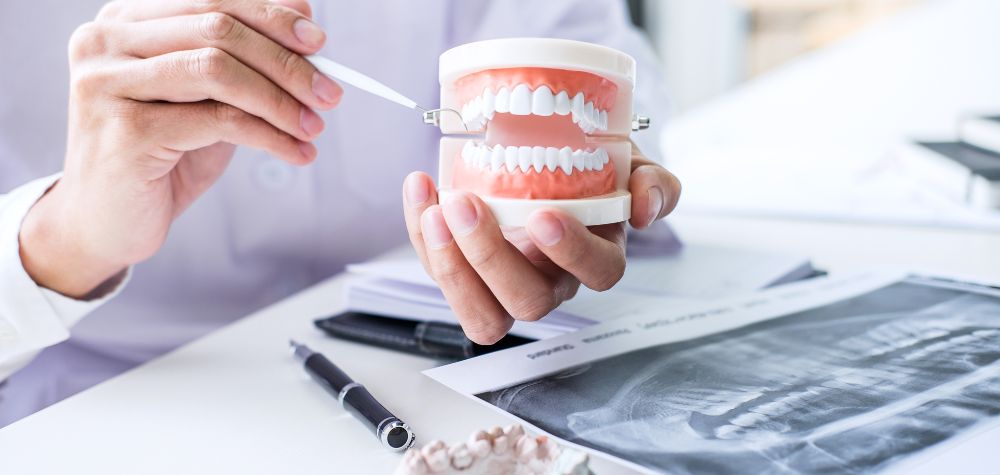
It’s said that a confident smile can open doors, but it’s not a surefire way to a deduction.
Many Australians wonder whether dental expenses can be claimed as tax deductions, particularly if they view dental care as necessary for work or professional presentation.
Unfortunately, in most cases, the answer is no.
The Australian Taxation Office (ATO) classifies dental and medical treatments as private expenses, meaning they’re related to your personal wellbeing rather than your income-earning activities.
That means costs like check-ups, fillings, crowns, root canals, braces, and even cosmetic treatments such as teeth whitening are not tax-deductible.
Why Most Dental Expenses Aren’t Deductible
To claim any work-related expense, it must meet a few basic criteria:
- It’s directly connected to earning your assessable income.
- It’s not private or domestic in nature.
- You have a record (such as a receipt) to prove it.
Dental expenses almost always fail the first two tests. For example, if you get your teeth cleaned or whitened because you want to look more professional at work, that’s considered a personal choice – not something directly required by your employer or necessary to perform your job.
Even if your role involves regular face-to-face interaction with clients or the public, the ATO generally considers appearance-related expenses as personal.
The same logic applies to haircuts, skincare, or gym memberships – they contribute to your overall presentation but aren’t sufficiently linked to earning income.
When Dental Costs Might Be Deductible
There are, however, a few very limited exceptions.
If dental work is carried out specifically for a role or performance, and the cost is directly related to your income-earning activity, it may be deductible.
For instance:
- An actor who needs prosthetic or false teeth to play a particular character might be able to claim that expense.
- A performer who undergoes temporary dental work to meet a costume or character requirement (and not for personal cosmetic improvement) could claim the cost as part of their professional expenses.
- A professional makeup artist or model, however, generally cannot claim general dental work, even though appearance is crucial to their role, because it’s still considered maintenance of personal appearance, not a job-specific expense.
In short, unless the dental work is wholly and exclusively for the purpose of earning income, it won’t qualify.
Keeping Records and Seeking Advice
If you believe your situation is unique, always keep records – including invoices, correspondence, and documentation explaining why the procedure was necessary for your work. However, it’s best to check with a registered tax agent before claiming anything out of the ordinary.
Remember, incorrectly claiming personal expenses as business deductions can lead to penalties or an ATO audit. A professional adviser can help you determine what’s allowable and what isn’t, so you stay compliant while maximising legitimate deductions.
Dental expenses are an important part of looking after yourself – but they almost never qualify as a tax deduction. The rule of thumb is simple: if it’s about maintaining or improving your personal health or appearance, it’s private.
So, keep smiling for the camera or your clients, but don’t expect your next trip to the dentist to give you a reason to smile at tax time.